
Phantom Blade Zero Combat Guide: Defense Into Damage
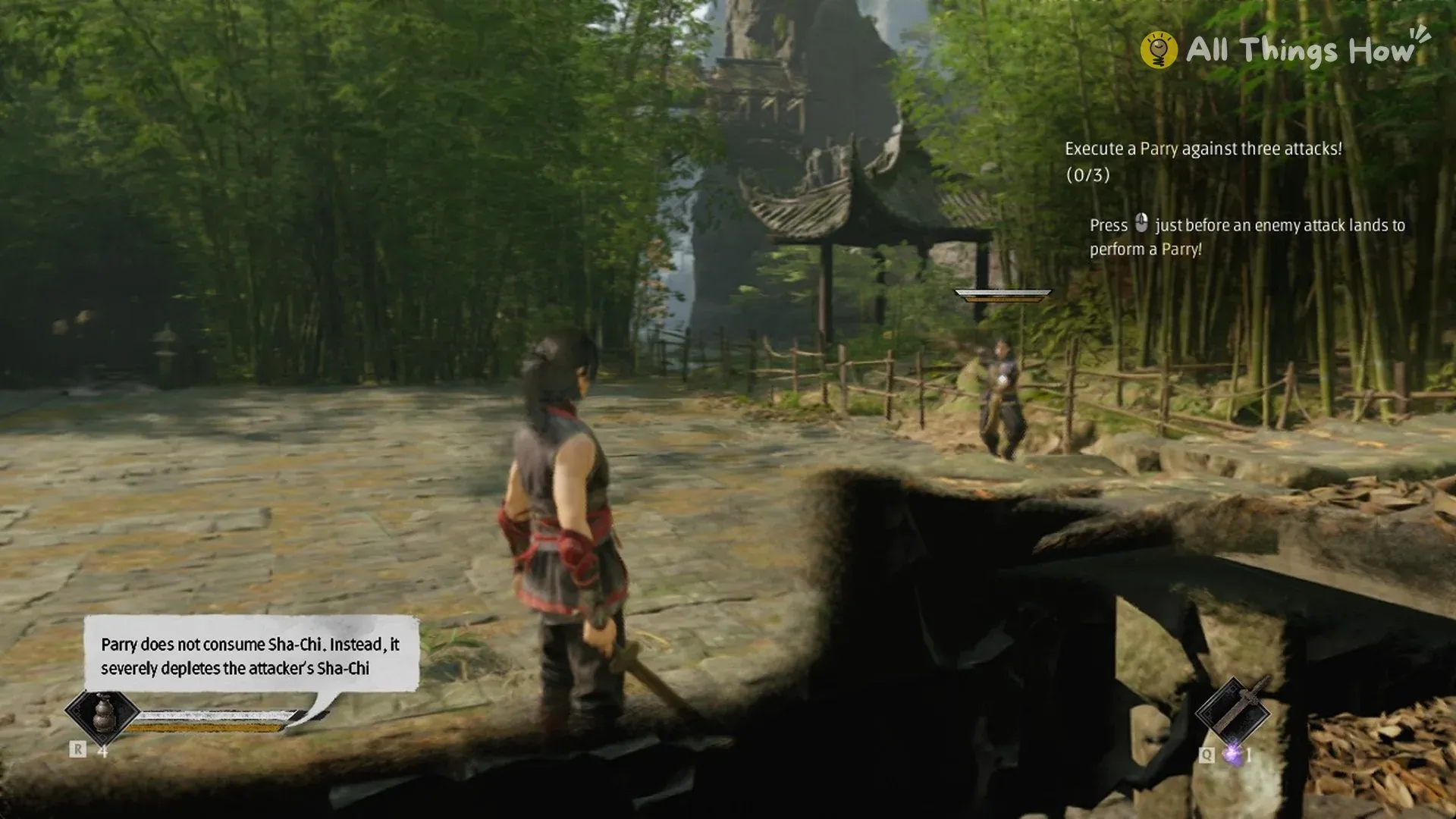
Learn Phantom Blade Zero combat in this order: recognize the incoming attack, choose the defensive response, preserve Sha-Chi and use a short opening to deal damage. Once that loop feels reliable, add weapon switching and longer combinations. This combat guide focuses on decisions you can repeat under pressure. You will improve faster by identifying the move that breaks your defense than by attempting a complicated combo before you can survive the enemy’s next sequence. [1] [2]
Read the attack before choosing your response
| What you see | First response | What to watch next |
|---|---|---|
| Blue attack cue | Prepare the parry timing | Whether another hit follows |
| Red attack cue | Evade the attack | The direction and reach of the follow-through |
| Ordinary multi-hit pressure | Guard or use the appropriate timed defense | Remaining Sha-Chi and the true end of the sequence |
| Enemy recovery | Take a short punish | Whether your own recovery ends before the next attack |
The cue identifies a defensive problem; the animation supplies its timing. Pressing as soon as a color appears can still be too early. Watch the weapon or body motion that precedes impact, and learn one recurring move at a time. Blue parries, red-attack evasion and the cost of passive guarding are central to the published combat explanations. [1] [2]
Start with an enemy whose opening you can recognize. Survive the whole sequence without trying to maximize damage. Then add one attack after the final blow. This separates learning the defensive window from learning how much offense fits afterward, making mistakes easier to diagnose.
Manage Sha-Chi during pressure
Holding guard spends Sha-Chi, so a long string can overwhelm a defense that looked safe at first. Check the gauge while learning the fight. If it repeatedly collapses, the correction is to improve the response within the string or make room to reset, rather than continuing to hold the same defense and hoping the result changes. [1] [2]
Equipped weapon switching restores Sha-Chi when the switch is available. Treat it as a planned resource decision: know which weapon you will receive, use the recovery opportunity and adjust your next attack to that moveset. The benefit is easier to use when both equipped weapons are familiar. A resource refill followed by an accidental slow attack can immediately put you back under pressure. [1] [2]
Find a punish you can finish safely
An opening is the time between the enemy finishing its sequence and beginning the next threat. Begin with a short attack whose recovery you understand. If the enemy consistently interrupts your second hit, finish after the first. If the same opening reliably accommodates two, add the second. This turns damage into a measured decision.
Different weapons require different commitments. A slow attack can work in a large recovery window; a quick strike is easier to fit into a short one. Weapon variety and experimentation are major strengths described in reviews, so use the moveset that makes the opening manageable for you. Ordinary upgrades can be reverted through reforging, supporting experiments without treating the first weapon choice as permanent. [3] [4]
A five-attempt practice plan
- Observe: identify the opening sequence and its last attack. Spend this attempt learning the animation.
- Defend: concentrate on the correct response to the move that caused the most trouble.
- Punish: add one reliable attack after the sequence ends.
- Manage resources: use an available weapon switch deliberately and remain aware of the new moveset.
- Combine: repeat the complete loop, adding damage only where the earlier attempts demonstrated room.
The useful result is a repeatable response, even if the fifth attempt still ends in defeat. You can then practice a second sequence with the same method. Keep one change per attempt whenever possible; changing weapons, timing, distance and equipment together makes it difficult to tell what helped.
Common problems and concrete fixes
You get hit after a successful defense. Wait through the rest of the string before attacking. A successful first response does not establish that the whole sequence is over.
Your guard keeps breaking. Watch Sha-Chi, shorten passive blocking and plan the available switch. Learn the timed response to the attack that consumes the most room.
Your damage feels low. Check upgrades and whether you consistently use safe openings. A larger combo that is interrupted every time produces less dependable progress than a smaller punish you finish.
A new weapon makes the fight worse. Practice its first attacks and recovery against a familiar enemy. Return when you can predict what each input will do. Expand your options at the speed you can control them, and let clean repetitions supply the confidence for more ambitious combinations.
Related guides
Sources
Was this helpful?
Thanks for the feedback!