
Phantom Blade Zero Review Guide: Is It Your Kind of RPG?
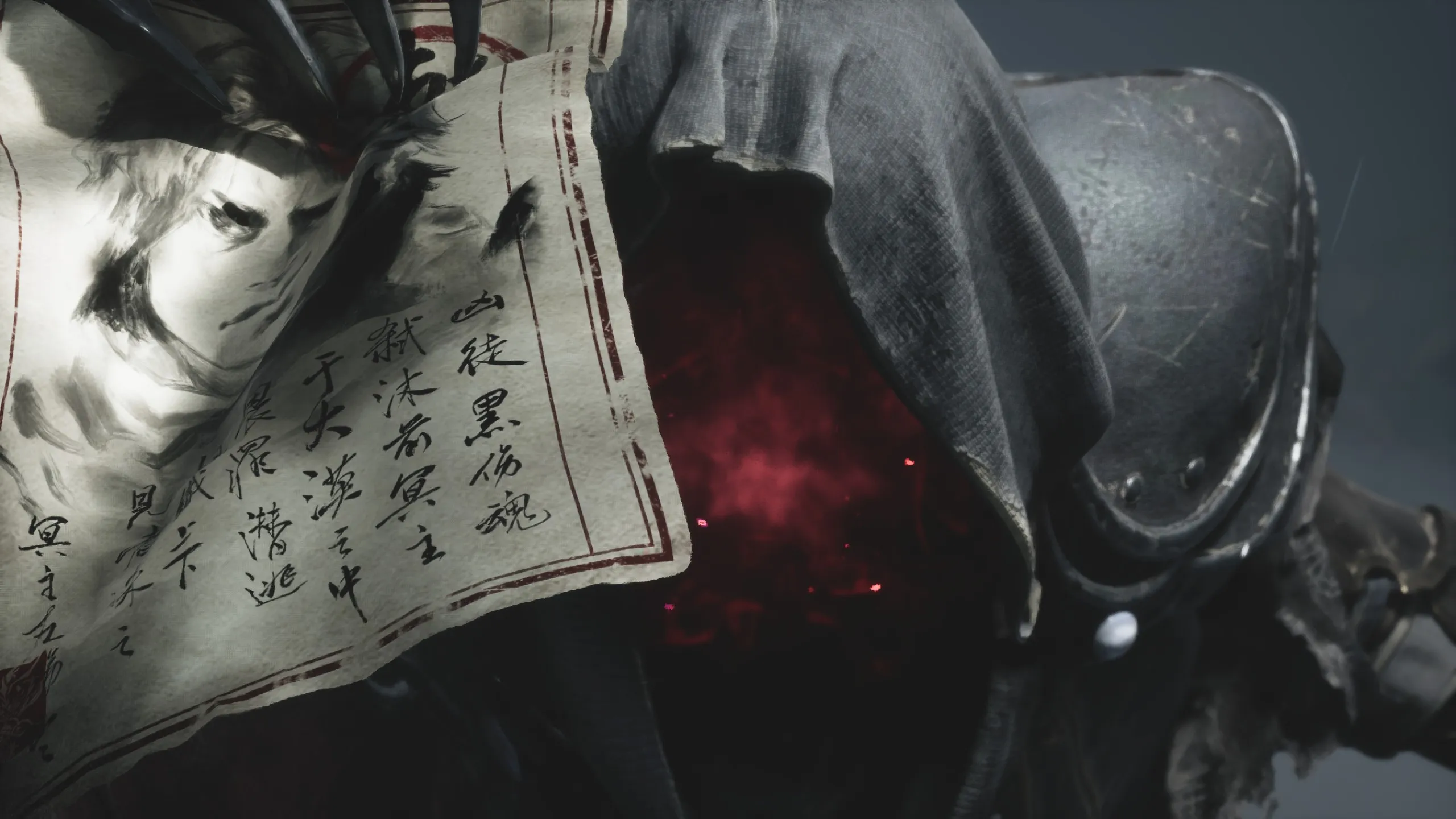
Phantom Blade Zero makes the strongest case for players who enjoy learning fast weapon combat, experimenting with equipment and revisiting connected regions. The main buying question is how much you value those activities relative to story clarity and lengthy boss encounters. Reviews agree more readily on the appeal of the fighting than on the surrounding adventure. Use that split to decide whether the game fits your priorities, rather than relying on a score alone. [1] [2] [3]
Quick recommendation
Buy if learning a weapon’s rhythm and overcoming a demanding encounter are rewards in themselves. Consider it more carefully if your main pleasure comes from an immediately clear plot or short, briskly resolved boss fights. Difficulty options make the game more approachable, while the underlying rhythm still asks you to pay attention to defense, openings and equipment. A lower difficulty changes the challenge; it does not turn the campaign into a different kind of game. [1] [2]
For the fastest decision, choose your highest priority from combat, exploration and story. Read that row in the comparison below, then watch a complete gameplay encounter. If the part you most want to repeat looks appealing, the game’s strengths are more likely to match the way you spend your playing time.
How the reviews compare
| Dimension | TheSixthAxis | Eurogamer | PC Gamer | What it means for your choice |
|---|---|---|---|---|
| Combat | Enthusiastic about variety and experimentation | Fighting is a central attraction despite other frustrations | Examines the combat within a long exploratory run | Watch a full ordinary encounter, including defense |
| Equipment | Highlights reversible upgrades and unusual movesets | Equipment sits within the broader action experience | Discusses progression during the campaign | Expect to learn the weapons you equip |
| Story and pacing | Positive overall assessment | More critical of narrative and long boss sequences | Reports a substantial journey through the ending route | Decide how much uneven pacing bothers you |
| Playtime context | Around 40 hours | Different critical emphasis | Around 50 hours for the reviewed route | Compare endpoints before comparing time |
TheSixthAxis awarded 9/10 and described experimenting because new weapons were enjoyable to use. Eurogamer’s criticism of the story and extended encounters gives a useful counterweight: liking the combat system does not automatically mean enjoying every part of the campaign. PC Gamer’s longer run also shows why a single completion estimate can misrepresent an exploration-heavy playthrough. [1] [2] [3]
Choose by the activity you want to repeat
Learning combat and changing your build
The strongest fit is someone who enjoys the process between the first failed attempt and a clean victory. Weapon switching, different movesets and recoverable ordinary upgrade materials give that player reasons to experiment. TheSixthAxis’s description of a sword whose behavior changes with its special mechanic illustrates the appeal: a weapon can change how a fight feels, beyond raising an attack number. [1]
When watching gameplay, look at the moments before a successful attack. Can you follow the defensive cues? Does waiting for an opening look satisfying? A highlight reel compresses those decisions into spectacle. A complete fight lets you judge the loop you will actually repeat.
Exploring interconnected areas
The official description presents handcrafted regions with branching routes, secrets and side quests. That structure suits players who like learning shortcuts and returning with a new objective. It also means that a completionist session can involve navigation and quest follow-up between major battles. If you want a continuous sequence of arenas, account for those quieter stretches in your decision. [4] [3]
Following the plot
The premise is clear: Soul has been framed for his master’s murder and has a limited time to survive. The wider story introduces more relationships, memories and conspiracies as the journey progresses. Eurogamer’s reservations matter most if narrative coherence is your first buying criterion. Read its story discussion before choosing on the strength of the martial-arts presentation alone. [2] [4]
What the Soulslike comparison helps you judge
Use comparisons to identify the experience you want: repeated boss learning, defensive timing, exploration or equipment experimentation. Phantom Blade Zero combines those features with selectable difficulty and an emphasis on flowing action. The label alone is too broad to settle whether you will enjoy it. Compare a full combat sequence and a stretch of exploration with your own preferred pace. [1] [4]
Before you buy
Choose the platform using its actual requirements, then choose the edition on its contents. Standard is the sensible starting point if the game itself is your priority. Save story-heavy ending videos until after your decision if you want to preserve surprises. The decisive question is whether you want to spend your next several dozen hours learning this combat and exploring its world; the most enthusiastic review is useful only when its reasons match yours.
Related guides
Sources
Was this helpful?
Thanks for the feedback!